Community · September 2026
What a green village actually looks like
Mini-grids, biogas kitchens and gardens — the model moving from Hakwata into the rest of the map.
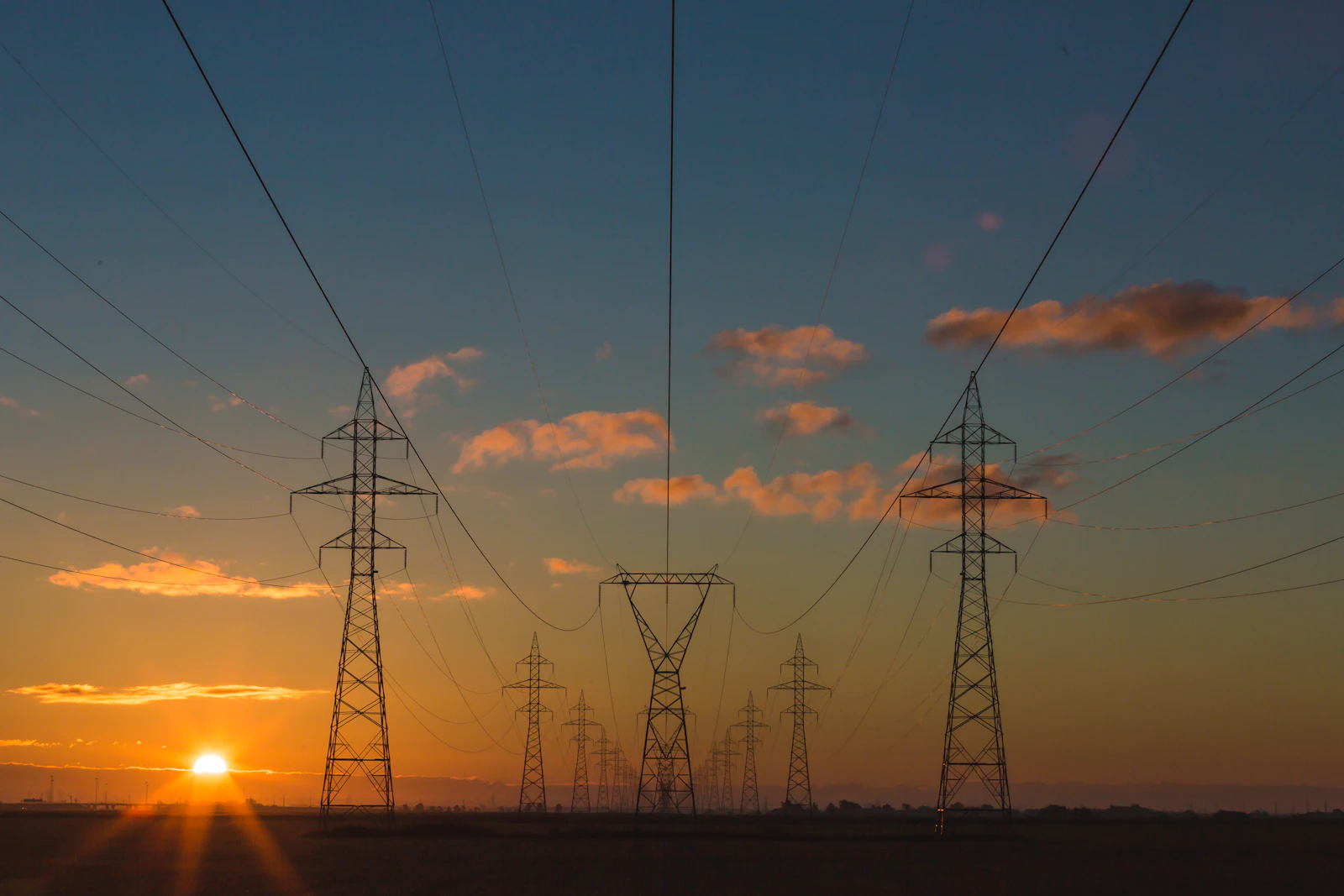
A “green village” is not a mural and a donated streetlight. In Hakwata, Chipinge, it has meant a 200 kW solar mini-grid commissioned in 2024, powering homes, kiosks, a school, a clinic and community boreholes — with about 90 biogas stoves taking pressure off the woodland that used to be the kitchen. The public record also lists solar home kits and street lights as part of the same stack.
The social change is as visible as the electrical one. Evening study. Cold drinks that do not require a generator. Phones that stay charged. Cooking smoke leaving the room. Similar climate-adaptation work has been pointed at other districts — Chivi, Insiza, Binga — which is how a model stops being a one-village photograph.
The pieces that have to travel together
- Power. A mini-grid or dense standalone systems with clear tariffs people can pay.
- Water. Solar boreholes and drip or garden plots so food is not only a rainy-season event.
- Cooking. Biogas or improved cookstoves so the forest is not the fuel store.
- Skills. Local operators who can reset a breaker without waiting for Harare.
GSN’s role is the technology layer and the training. Communities and partners bring land, leadership and the will to keep the system alive after the ribbon is cut. If your ward or mission station wants that stack, start a conversation.